Methods for Restoring the Luster of Quartz Stone that Has Lost Its Color Over Time
We all know that a kitchen is a breeding ground for grease and smoke, and if the worktops and appliances are not cleaned on a regular basis, thick grease stains will form. Most modern home furnishings employ quartz stone as a countertop material because it is wear-resistant, scratch-resistant, heat-resistant, and impermeable. Some people, however, like imitation stone, acrylic, genuine stone, and stainless steel.
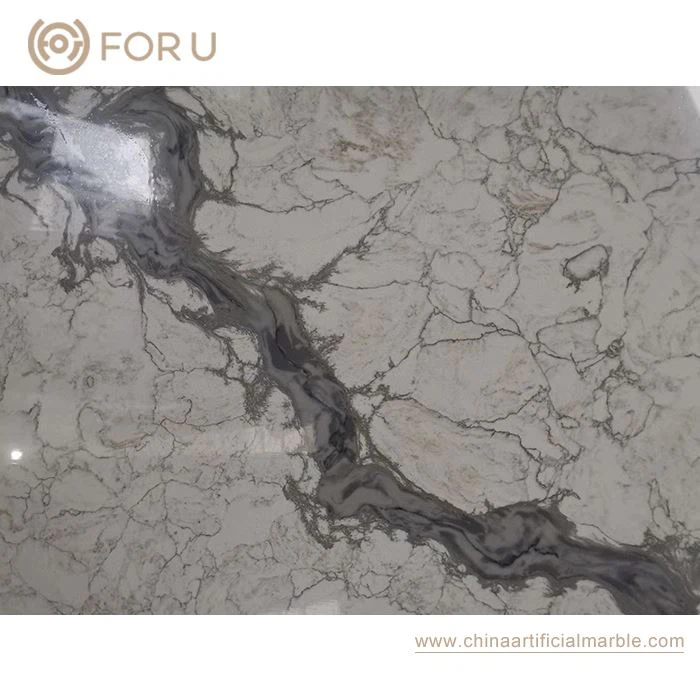

Quartz stone has been utilized in more than half of cabinet tables, although it has a number of flaws, including color loss, fractured joints, and blowouts. Today, we'll look at the most troubling issue: quartz stone color fading. Many consumers are concerned about quartz stone countertops that lose their brilliance and turn a drab yellow color after years of use. What causes the color of quartz stone to fade?
Quartz stone hardness, low water absorption, so you can rule out the possibility of being infiltrated (qualified products from regular quartz stone manufacturers), no infiltration means that the stain only exists on the surface, quartz stone color loss should be how to clean and restore the original luster?
The main cause of quartz stone color loss is oil or water stains; the most essential thing is that we treat the countertop cleaning seriously, using neutral detergent or soapy water, letting the surface spray soak in for 5 minutes after cleaning with a rag, then rinsing with water and wiping dry. Stubborn stains can be scraped with a blade or painted over with dilute sodium water (note that the time should not be too long, after cleaning with dilute sodium water and paint, be sure to wash with soapy water and then wipe dry). Lightening can choose to wax, you can pick antifouling agent wipe, a clean rag soaked in antifouling agent, pull out the wringing rag in a semi-dry condition wipe the countertop, wipe after half an hour can not be used after the countertop will be bright as new.