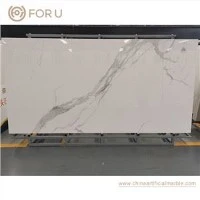
TRAVERTINE is an old stone that is both warm and rough.
1st.
Tuff or travertine is a kind of limestone. It is a calcium carbonate deposit found in terrestrial sedimentary rocks. Because the principal component of these accumulations is calcium carbonate, which is quickly dissolved by water dissolution, many natural irregular pores form.
2. Marble has a distinction.
Travertine is made by pressing limestone for a thousand years (heavy accumulation), and marble is formed by pressing travertine for another thousand years (continuing heavy accumulation). Travertine is a blend of limestone and marble, with a finer texture than limestone and a rougher texture than marble. It is also a less expensive alternative to marble.
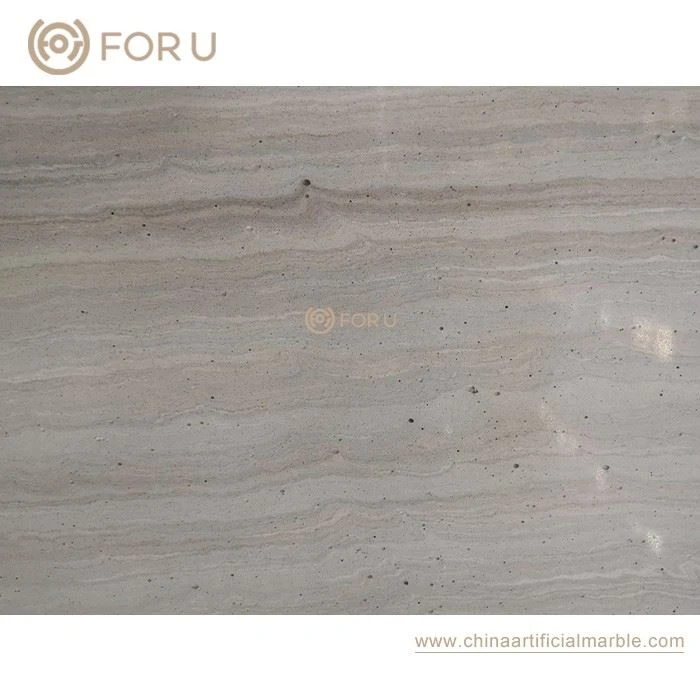
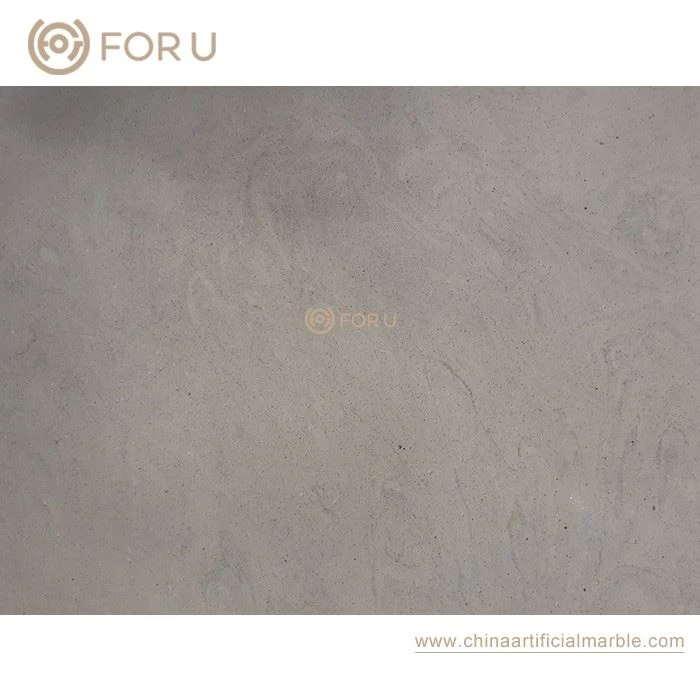
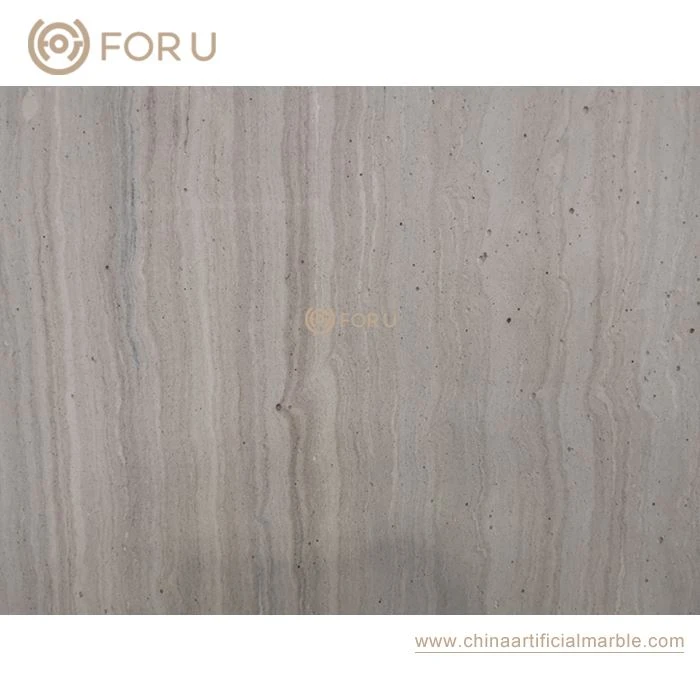
3. Physical appearance.
There are several natural irregular holes, most of which are beige in color, as well as white and yellow travertine (also green, purple, pink, curry).
Because travertine is a sedimentary rock, the texture will vary in cross-section and longitudinal sections. The texture is more homogeneous in cross-section, however, the longitudinal section shows layers and layers of rock buildup.
4. Origin of the product (high quality of stone for building)
Italy, Iran, and Turkey are three of the world's most powerful countries.
5. Travertine quarries in the United States.
White hole stone, yellow hole stone, Henan, Henan, Henan, Henan, Henan, Henan
6. The past.
Travertine has been used by mankind for a long time, as the classic emblematic construction materials in Roman times, such as the Colosseum and the church at Pisa; historic western use of travertine in great numbers until the concrete was introduced. Travertine is a favorite of many modern architects, including Ludwig Mies van der Rohe (Barcelona Pavilion), Louis Kahn (Salk Institute), and I.M. Pei, due to its material characteristics and historical symbolism (Eastwing of National Gallery). In 1998, I.M. Pei's design for the Bank of China headquarters (Xidan, Beijing) used a substantial amount of travertine for the first time in China, developing the system of mature travertine building standards.
7. Travertine's physical features.
-Travertine has a fine texture, high processing adaptability, low hardness, is easy to carve, appropriate for carving, and shaped materials. -Travertine is uniform, soft and hard, easy to mine and process, light in specific gravity (density), and easy to transport.
Travertine's void structure provides excellent acoustic and thermal insulation.
-Travertine has a poor hardness, low density, and a high water absorption rate, making it unsuitable for use in damp environments. Excessive water absorption causes cracking and discolouration.