Travertine and Culture Stone Benefits
1. travertine tone to beige primarily, and make people feel pleasant, rich texture, travertine culture stone stripes clear, motivating the decoration of buildings frequently have a strong cultural and historical flavor, is employed in many regions of the world architecture
The color pattern of culture stone can keep the natural original appearance, paired with color deployment variations, can be the stone texture of the connotation and artistry to exhibit. People collectively referred to this sort of stone as cultural stone because it corresponded to the cultural concept of people admiring nature and returning to nature. The need to decorate the wall with this stone, the fabrication of wall scenes, and so on can definitely convey a cultural flavor and natural atmosphere.


2. Its origin is widely thought to have occurred in air conditions from carbonate springs, usually hot springs, precipitated into a calcareous substance. The circulating groundwater containing carbon dioxide took away a large amount of calcium carbonate in solution, and when the groundwater reached the surface of the spring, this carbon dioxide released and coalesced in the sedimentary layer of calcium carbonate, forming a rare bubble (hole), thus having travertine.
3, wall preparation: prior to building, remove the surface of the wall floating ash and trash, etc., smooth walls must be processed into a rough surface. Travertine cultural stone in the construction of the day before the building of warm water to moisten the construction surface, the following day before construction and then sprayed wet once

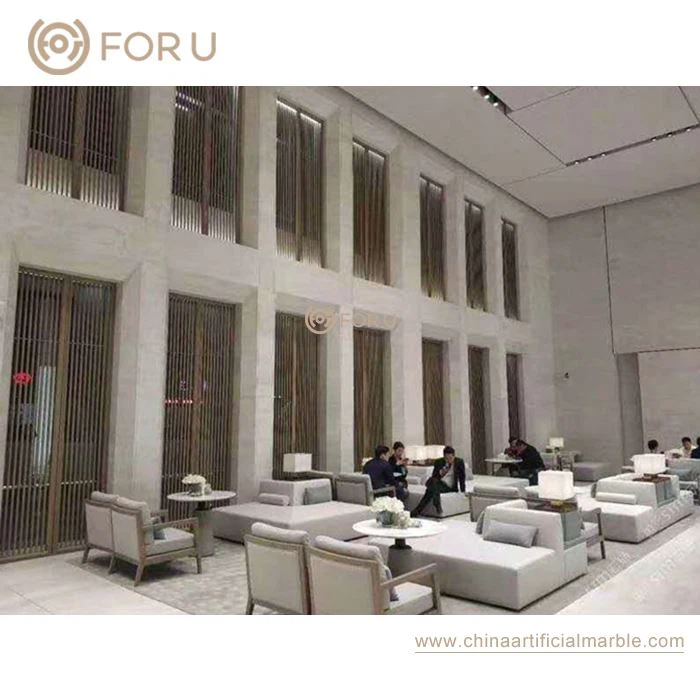
4, the natural cultural stone is extracted in a natural stone quarry, and slate, sandstone, and quartzite must be processed into ornamental construction materials. Natural cultural stone material is durable, bright in color, rich in texture, available in a variety of forms, and has pressure, wear resistance, corrosion resistance, low water absorption, and other properties.


