ABOUT PORCELAIN
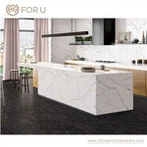
For a long time, porcelain slabs were overlooked in favor of stone. There was a valid reason for this in the past, but times have changed! Porcelain countertops are strong, long-lasting, resistant to water and bacteria, and the list goes on. Porcelain slabs for countertops are also available in a variety of styles. This greatly expands the design options for your commercial or residential kitchen.


Q: How Is Porcelain Slab Produced?
A: What exactly is a porcelain plate? Porcelain is composed of fine clay and a mineral known as kaolinite. Feldspar, silica, and mineral oxides are common natural constituents of clay, adding strength and color. And an incredible clay mineral mixture is heated at a high temperature. Porcelain is a very dense and non-porous material. That is what gives porcelain its anti-water and anti-bacterial properties. Porcelain is also stain-resistant, which is important for the table.
Q: What are the advantages of using porcelain countertops?
A: Porcelain is 30 times stronger than granite. Porcelain countertops are dense, and as a result, even if they are not as thick, they can have greater strength than other popular materials. Table made of porcelain to withstand chips, cracks, scratches, and general wear and tear.
External use: Porcelain is also approved for outdoor use. This is a huge benefit if you have areas of your porch or patio that are more exposed to heat, humidity, and even wind and rain.
Durability: It is extremely long-lasting, making it well worth the investment.
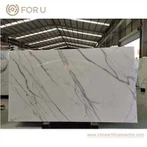
Porcelain plates for countertops have a wide range of visual possibilities. Porcelain is very good at imitating other surfaces.
Matching integrated equipment: Another advantage of porcelain countertops is the ability to match the overall appliance. For example, the sink can be pattern-matched and color-matched to the porcelain countertop, resulting in a distinct and consistent appearance.
Easy to clean: Porcelain is said to be the easiest material to clean and maintain, making kitchen cleaning chores faster and more efficient.
Good materials in your home or business should not only be stronger and more durable. They can also make your life more bearable. The porcelain plate of the countertop checks all of these boxes, making it an excellent choice that is usually less expensive than stone.
Q: How do you put in tiles?
A: To ensure a high-quality result, the tiles should be installed by professionals. This process is first planned from the ground up. To avoid slippage and tile cracking, the floor surface must be flat. Some tiles may need to be cut to fit along the wall's edge.
Q: Is it safe to walk on porcelain floors?
A: Porcelain tile flooring is made of fine clay and mineral particles that are fired at high temperatures to form a dense waterproof material. Tiles are sealed and do not require waxing to maintain their appearance. However, if you decide to wax your floors, check with a flooring manufacturer about the safety of floor wax.
Q: Is it possible to recycle porcelain cabinets?
A: Porcelain is made entirely of natural, original, clay-based materials. As a result, after years of use, the old porcelain cabinets can be easily recycled. Porcelain, unlike stone countertops and other materials, does not have a built-in design. Essentially, it has patterns printed on it.