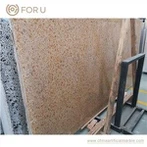
Characteristics of Artificial Stones
Traditional artificial stone: representing aluminium and calcium powder artificial stone
Advantages: meets a certain level of toughness and hardness, economical and practical.
Disadvantages: easy to scratch and crack, not resistant to high temperatures, acid and alkali, unstable colours, easy to penetrate, strong plastic feeling.
Higher artificial stone: DuPont Corian as representative
Advantages: better stain resistance, greater stability, greater toughness.
Disadvantages: lower strength than quartzite, not resistant to high temperatures, easy to scratch, the higher the price.
Quartz.
Advantages: natural and beautiful texture, wear resistance, resistance to penetration, low maintenance difficulty, high-temperature resistance, no mould and no fading.
A good quartz stone can be completely unscratchable with a knife, long-lasting use without deformation, healthy up to food-grade, rich texture.
Disadvantages: quality varies, divided into three, six and nine grades, depending on the processing technology.
Ultra-thin rock slabs.
Advantages: 100% natural material, non-toxic, non-radioactive, inhibits bacterial growth, direct contact with food when used as a countertop, environmentally friendly and healthy, almost zero water absorption, up to 3mm thin, excellent toughness, can be bent and shaped, can be compounded with different materials.
Disadvantages: expensive, between 5K and 6K for a linear metre, very demanding processing and construction techniques.